Compare commits
53 Commits
| Author | SHA1 | Date | |
|---|---|---|---|

|
4a167032f3 | ||
|
|
27a5d92aa0 | ||
|
|
2cb65bc2ff | ||
|
|
34e59a7d87 | ||
|
|
496a62549f | ||
|
|
9799f402e7 | ||
|
|
0e824cc38c | ||
|
|
91a7ea35b6 | ||
|
|
46a834e147 | ||
|
|
e37d2df358 | ||
|
|
86625ee414 | ||
|
|
29bbe8505f | ||
|
|
005183c282 | ||
|
|
ddc06f53ef | ||
|
|
1027251723 | ||
|
|
6db41b985c | ||
|
|
62d6742987 | ||
|
|
66c27258da | ||
|
|
10b91eb8a2 | ||
|
|
581ebc7e10 | ||
|
|
db7a3b79a2 | ||
|
|
1b9591e07a | ||
|
|
af1fa134cc | ||
|
|
812a55a381 | ||
|
|
41ddf0247a | ||
|
|
f3c3a214e3 | ||
|
|
5536368ba7 | ||
|
|
e2063420e9 | ||
|
|
cfaf24357c | ||
|
|
543e7d39e0 | ||
|
|
f9981b1cec | ||
|
|
d36d0132a8 | ||
|
|
b29775dfbe | ||
|
|
8a8dfcb190 | ||
|
|
25600e48fb | ||
|
|
7c06c99bd1 | ||
|
|
ad3142da95 | ||
|
|
0c14b6d2b9 | ||
|
|
4522b9261e | ||
|
|
144c9bbf5a | ||
|
|
20cf246eda | ||
|
|
02e0d4837e | ||
|
|
816720e15c | ||
|
|
c60e0334bd | ||
|
|
ade0cdc3cd | ||
|
|
3e4b905e7b | ||
|
|
e73ea6056d | ||
|
|
640cf2f7c3 | ||
|
|
21adc2c8f4 | ||
|
|
4ff61e6c2c | ||
|
|
1cfb2028e4 | ||
|
|
eb5421114d | ||
|
|
75aac88f14 |
5
.gitlab-ci.yml
Normal file
5
.gitlab-ci.yml
Normal file
@@ -0,0 +1,5 @@
|
||||
build:
|
||||
stage: build
|
||||
image: vato.ddns.net:8083/swift:5.2.4
|
||||
script:
|
||||
- swift build
|
||||
20
Examples/SwiftSerialBinary/Package.swift
Normal file
20
Examples/SwiftSerialBinary/Package.swift
Normal file
@@ -0,0 +1,20 @@
|
||||
// swift-tools-version:5.0
|
||||
// The swift-tools-version declares the minimum version of Swift required to build this package.
|
||||
|
||||
import PackageDescription
|
||||
|
||||
let package = Package(
|
||||
name: "SwiftSerialBinary",
|
||||
dependencies: [
|
||||
.package(url: "https://github.com/yeokm1/SwiftSerial.git", from: "0.1.2")
|
||||
],
|
||||
targets: [
|
||||
// Targets are the basic building blocks of a package. A target can define a module or a test suite.
|
||||
// Targets can depend on other targets in this package, and on products in packages which this package depends on.
|
||||
.target(
|
||||
name: "SwiftSerialBinary",
|
||||
dependencies: ["SwiftSerial"],
|
||||
path: "Sources"
|
||||
),
|
||||
]
|
||||
)
|
||||
60
Examples/SwiftSerialBinary/Sources/main.swift
Normal file
60
Examples/SwiftSerialBinary/Sources/main.swift
Normal file
@@ -0,0 +1,60 @@
|
||||
import Foundation
|
||||
import SwiftSerial
|
||||
|
||||
print("You should do a loopback i.e short the TX and RX pins of the target serial port before testing.")
|
||||
|
||||
let testBinaryArray : [UInt8] = [0x11, 0x22, 0x33, 0x0D, 0x44]
|
||||
|
||||
let arguments = CommandLine.arguments
|
||||
guard arguments.count >= 2 else {
|
||||
print("Need serial port name, e.g. /dev/ttyUSB0 or /dev/cu.usbserial as the first argument.")
|
||||
exit(1)
|
||||
}
|
||||
|
||||
let portName = arguments[1]
|
||||
let serialPort: SerialPort = SerialPort(path: portName)
|
||||
|
||||
do {
|
||||
|
||||
print("Attempting to open port: \(portName)")
|
||||
try serialPort.openPort()
|
||||
print("Serial port \(portName) opened successfully.")
|
||||
defer {
|
||||
serialPort.closePort()
|
||||
print("Port Closed")
|
||||
}
|
||||
|
||||
serialPort.setSettings(receiveRate: .baud9600,
|
||||
transmitRate: .baud9600,
|
||||
minimumBytesToRead: 1)
|
||||
|
||||
print("Sending: ", terminator:"")
|
||||
print(testBinaryArray.map { String($0, radix: 16, uppercase: false) })
|
||||
|
||||
let dataToSend: Data = Data(_: testBinaryArray)
|
||||
|
||||
let bytesWritten = try serialPort.writeData(dataToSend)
|
||||
|
||||
print("Successfully wrote \(bytesWritten) bytes")
|
||||
print("Waiting to receive what was written...")
|
||||
|
||||
let dataReceived = try serialPort.readData(ofLength: bytesWritten)
|
||||
|
||||
print("Received: ", terminator:"")
|
||||
print(dataReceived.map { String($0, radix: 16, uppercase: false) })
|
||||
|
||||
if(dataToSend.elementsEqual(dataReceived)){
|
||||
print("Received data is the same as transmitted data. Test successful!")
|
||||
} else {
|
||||
print("Uh oh! Received data is not the same as what was transmitted. This was what we received,")
|
||||
print(dataReceived.map { String($0, radix: 16, uppercase: false) })
|
||||
}
|
||||
|
||||
print("End of example");
|
||||
|
||||
|
||||
} catch PortError.failedToOpen {
|
||||
print("Serial port \(portName) failed to open. You might need root permissions.")
|
||||
} catch {
|
||||
print("Error: \(error)")
|
||||
}
|
||||
4
Examples/SwiftSerialBinary/gitignore
Normal file
4
Examples/SwiftSerialBinary/gitignore
Normal file
@@ -0,0 +1,4 @@
|
||||
.DS_Store
|
||||
/.build
|
||||
/Packages
|
||||
/*.xcodeproj
|
||||
@@ -1,8 +1,20 @@
|
||||
// swift-tools-version:5.0
|
||||
// The swift-tools-version declares the minimum version of Swift required to build this package.
|
||||
|
||||
import PackageDescription
|
||||
|
||||
let package = Package(
|
||||
name: "SwiftSerialExample",
|
||||
dependencies: [
|
||||
.Package(url: "https://github.com/yeokm1/SwiftSerial.git", majorVersion: 0)
|
||||
.package(url: "https://github.com/yeokm1/SwiftSerial.git", from: "0.1.2")
|
||||
],
|
||||
targets: [
|
||||
// Targets are the basic building blocks of a package. A target can define a module or a test suite.
|
||||
// Targets can depend on other targets in this package, and on products in packages which this package depends on.
|
||||
.target(
|
||||
name: "SwiftSerialExample",
|
||||
dependencies: ["SwiftSerial"],
|
||||
path: "Sources"
|
||||
),
|
||||
]
|
||||
)
|
||||
|
||||
@@ -11,7 +11,7 @@ let test3Strings: String = testString + "\n" + testString + "\n" + testString +
|
||||
|
||||
let arguments = CommandLine.arguments
|
||||
guard arguments.count >= 2 else {
|
||||
print("Need serial port name, e.g. /dev/ttyUSB0 as the first argument.")
|
||||
print("Need serial port name, e.g. /dev/ttyUSB0 or /dev/cu.usbserial as the first argument.")
|
||||
exit(1)
|
||||
}
|
||||
|
||||
@@ -25,15 +25,16 @@ do {
|
||||
print("Serial port \(portName) opened successfully.")
|
||||
defer {
|
||||
serialPort.closePort()
|
||||
print("Port Closed")
|
||||
}
|
||||
|
||||
serialPort.setSettings(receiveRate: .baud9600,
|
||||
transmitRate: .baud9600,
|
||||
minimumBytesToRead: 1)
|
||||
|
||||
print("Writing test string <\(testString)> of \(testString.characters.count) characters to serial port")
|
||||
print("Writing test string <\(testString)> of \(testString.count) characters to serial port")
|
||||
|
||||
var bytesWritten = try serialPort.writeString(testString)
|
||||
let bytesWritten = try serialPort.writeString(testString)
|
||||
|
||||
print("Successfully wrote \(bytesWritten) bytes")
|
||||
print("Waiting to receive what was written...")
|
||||
@@ -53,7 +54,7 @@ do {
|
||||
var multiLineString: String = ""
|
||||
|
||||
|
||||
for i in 1...numberOfMultiNewLineTest {
|
||||
for _ in 1...numberOfMultiNewLineTest {
|
||||
multiLineString += testString + "\n"
|
||||
}
|
||||
|
||||
@@ -74,8 +75,8 @@ do {
|
||||
}
|
||||
}
|
||||
|
||||
print("End of example");
|
||||
|
||||
print("We successfully received back \(numberOfMultiNewLineTest) lines")
|
||||
|
||||
} catch PortError.failedToOpen {
|
||||
print("Serial port \(portName) failed to open. You might need root permissions.")
|
||||
|
||||
20
Examples/SwiftSerialIM/Package.swift
Normal file
20
Examples/SwiftSerialIM/Package.swift
Normal file
@@ -0,0 +1,20 @@
|
||||
// swift-tools-version:5.0
|
||||
// The swift-tools-version declares the minimum version of Swift required to build this package.
|
||||
|
||||
import PackageDescription
|
||||
|
||||
let package = Package(
|
||||
name: "SwiftSerialIM",
|
||||
dependencies: [
|
||||
.package(url: "https://github.com/yeokm1/SwiftSerial.git", from: "0.1.2")
|
||||
],
|
||||
targets: [
|
||||
// Targets are the basic building blocks of a package. A target can define a module or a test suite.
|
||||
// Targets can depend on other targets in this package, and on products in packages which this package depends on.
|
||||
.target(
|
||||
name: "SwiftSerialIM",
|
||||
dependencies: ["SwiftSerial"],
|
||||
path: "Sources"
|
||||
),
|
||||
]
|
||||
)
|
||||
128
Examples/SwiftSerialIM/Sources/main.swift
Normal file
128
Examples/SwiftSerialIM/Sources/main.swift
Normal file
@@ -0,0 +1,128 @@
|
||||
import Foundation
|
||||
import SwiftSerial
|
||||
|
||||
|
||||
let arguments = CommandLine.arguments
|
||||
guard arguments.count >= 2 else {
|
||||
print("Need serial port name, e.g. /dev/ttyUSB0 or /dev/cu.usbserial as the first argument.")
|
||||
exit(1)
|
||||
}
|
||||
|
||||
print("Connect a null modem serial cable between two machines before you continue to use this program")
|
||||
|
||||
let portName = arguments[1]
|
||||
let serialPort: SerialPort = SerialPort(path: portName)
|
||||
|
||||
var myturn = true
|
||||
|
||||
// Prepares the stdin so we can getchar() without echoing
|
||||
func prepareStdin() {
|
||||
|
||||
// Set up the control structure
|
||||
var settings = termios()
|
||||
|
||||
// Get options structure for stdin
|
||||
tcgetattr(STDIN_FILENO, &settings)
|
||||
|
||||
//Turn off ICANON and ECHO
|
||||
settings.c_lflag &= ~tcflag_t(ICANON | ECHO)
|
||||
|
||||
tcsetattr(STDIN_FILENO, TCSANOW, &settings)
|
||||
}
|
||||
|
||||
func getKeyPress () -> UnicodeScalar {
|
||||
let valueRead: Int = Int(getchar())
|
||||
|
||||
guard let charRead = UnicodeScalar(valueRead) else{
|
||||
return UnicodeScalar("")!
|
||||
}
|
||||
|
||||
return charRead
|
||||
}
|
||||
|
||||
func printToScreenFrom(myself: Bool, characterToPrint: UnicodeScalar){
|
||||
|
||||
if(myturn && !myself){
|
||||
myturn = false
|
||||
print("\n\nOther: ", terminator:"")
|
||||
} else if (!myturn && myself){
|
||||
myturn = true
|
||||
print("\n\nMe: ", terminator:"")
|
||||
}
|
||||
|
||||
print(characterToPrint, terminator:"")
|
||||
}
|
||||
|
||||
func backgroundRead() {
|
||||
while true{
|
||||
do{
|
||||
let readCharacter = try serialPort.readChar()
|
||||
printToScreenFrom(myself: false, characterToPrint: readCharacter)
|
||||
} catch {
|
||||
print("Error: \(error)")
|
||||
}
|
||||
}
|
||||
}
|
||||
|
||||
|
||||
|
||||
do {
|
||||
|
||||
print("Attempting to open port: \(portName)")
|
||||
try serialPort.openPort()
|
||||
print("Serial port \(portName) opened successfully.")
|
||||
defer {
|
||||
serialPort.closePort()
|
||||
print("Port Closed")
|
||||
}
|
||||
|
||||
serialPort.setSettings(receiveRate: .baud9600,
|
||||
transmitRate: .baud9600,
|
||||
minimumBytesToRead: 1)
|
||||
|
||||
prepareStdin()
|
||||
|
||||
|
||||
//Turn off output buffering if not multiple threads will have problems printing
|
||||
setbuf(stdout, nil);
|
||||
|
||||
|
||||
//Run the serial port reading function in another thread
|
||||
#if os(Linux)
|
||||
var readingThread = pthread_t()
|
||||
|
||||
let pthreadFunc: @convention(c) (UnsafeMutableRawPointer?) -> UnsafeMutableRawPointer? = {
|
||||
observer in
|
||||
|
||||
backgroundRead()
|
||||
return nil
|
||||
}
|
||||
|
||||
pthread_create(&readingThread, nil, pthreadFunc, nil)
|
||||
|
||||
#elseif os(OSX)
|
||||
DispatchQueue.global(qos: .userInitiated).async {
|
||||
backgroundRead()
|
||||
}
|
||||
|
||||
#endif
|
||||
|
||||
|
||||
print("\nReady to send and receive messages in realtime!")
|
||||
print("\nMe: ", terminator:"")
|
||||
|
||||
|
||||
while true {
|
||||
let enteredKey = getKeyPress()
|
||||
printToScreenFrom(myself: true, characterToPrint: enteredKey)
|
||||
var _ = try serialPort.writeChar(enteredKey)
|
||||
}
|
||||
|
||||
|
||||
} catch PortError.failedToOpen {
|
||||
print("Serial port \(portName) failed to open. You might need root permissions.")
|
||||
} catch {
|
||||
print("Error: \(error)")
|
||||
}
|
||||
|
||||
|
||||
@@ -1,5 +1,19 @@
|
||||
// swift-tools-version:5.0
|
||||
// The swift-tools-version declares the minimum version of Swift required to build this package.
|
||||
|
||||
import PackageDescription
|
||||
|
||||
let package = Package(
|
||||
name: "SwiftSerial"
|
||||
name: "SwiftSerial",
|
||||
products: [
|
||||
.library(name: "SwiftSerial", targets: ["SwiftSerial"]),
|
||||
],
|
||||
dependencies: [],
|
||||
targets: [
|
||||
.target(
|
||||
name: "SwiftSerial",
|
||||
dependencies: [],
|
||||
path: "Sources"
|
||||
),
|
||||
]
|
||||
)
|
||||
|
||||
216
README.md
216
README.md
@@ -1,2 +1,216 @@
|
||||
# SwiftSerial
|
||||
A Swift 3 Linux and Mac library for reading and writing to serial ports.
|
||||
A Swift Linux and Mac library for reading and writing to serial ports. This library has been tested to work on macOS Mojove, Linux Mint 18 (based on Ubuntu 16.04) and on the [Raspberry Pi 3 on Ubuntu 16.04](https://wiki.ubuntu.com/ARM/RaspberryPi) and Raspberry Pi 4 on Raspian Buster. Other platforms using Ubuntu like the Beaglebone might work as well.
|
||||
|
||||
This library is an improvement over my previous now deprecated library [SwiftLinuxSerial](https://github.com/yeokm1/SwiftLinuxSerial) which was less Swifty and supported only Linux. This library is thanks largely to [Jay Jun](https://github.com/jayjun). His original pull request can be found [here](https://github.com/yeokm1/SwiftLinuxSerial/pull/1).
|
||||
|
||||
## Talk on this library
|
||||
|
||||
I gave a talk on this library and one of its examples SwiftSerialIM. Click on the links below to see the slides and video.
|
||||
|
||||
[](http://www.slideshare.net/yeokm1/a-science-project-swift-serial-chat)
|
||||
|
||||
[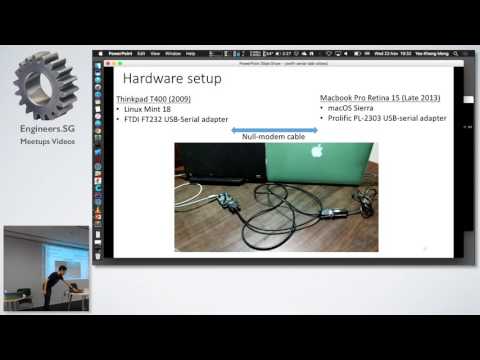](https://www.youtube.com/watch?v=6PWP1eZo53s)
|
||||
|
||||
## Mac OS Preparation
|
||||
|
||||
You should have Xcode 8 installed with the command line tools.
|
||||
|
||||
To develop app with XCode, enable the App Sandbox capability in Xcode, and under Hardware, select USB. (Mac Apps are sandboxed and you need the USB entitlement.)
|
||||
<img src="https://user-images.githubusercontent.com/5688874/55690960-6ff8fb00-5998-11e9-9df6-7e3ebe50e19a.png" alt="Swift 3.0">
|
||||
|
||||
## Linux System Preparation
|
||||
|
||||
Varies depending on system...
|
||||
|
||||
## Jumping straight into sample code
|
||||
To get started quickly, you can take a look at my example projects [here](Examples/).
|
||||
|
||||
### Example 1: Loopback Test
|
||||
|
||||
In order to run this example properly, you need to connect one of your (USB/UART) serial ports in a loopback manner. Basically, you short the TX and RX pins of the serial port. This library currently only support the `/dev/cu.*` variant on Mac. Read the beginning of the API usage section for more details.
|
||||
|
||||
```bash
|
||||
git clone https://github.com/yeokm1/SwiftSerial.git
|
||||
cd SwiftSerial/Examples/SwiftSerialExample/
|
||||
swift build
|
||||
|
||||
#For Linux: You need root to access the serial port. Replace /dev/ttyUSB0 with the name of your serial port under test
|
||||
sudo ./.build/debug/SwiftSerialExample /dev/ttyUSB0
|
||||
|
||||
#For Mac: Root is not required
|
||||
./.build/debug/SwiftSerialExample /dev/cu.usbserial
|
||||
|
||||
#If all goes well you should see a series of messages informing you that data transmitted has been received properly.
|
||||
```
|
||||
|
||||
### Example 2: Binary Loopback Test
|
||||
|
||||
Variant of example 1 but testing the transfer of binary data specifically ensuring the`0x0D` bit is not converted to another character.
|
||||
|
||||
```bash
|
||||
git clone https://github.com/yeokm1/SwiftSerial.git
|
||||
cd SwiftSerial/Examples/SwiftSerialBinary/
|
||||
swift build
|
||||
|
||||
#For Linux: You need root to access the serial port. Replace /dev/ttyUSB0 with the name of your serial port under test
|
||||
sudo ./.build/debug/SwiftSerialBinary /dev/ttyUSB0
|
||||
|
||||
#For Mac: Root is not required
|
||||
./.build/debug/SwiftSerialBinary /dev/cu.usbserial
|
||||
|
||||
#If all goes well you should see a series of messages informing you that data transmitted has been received properly.
|
||||
```
|
||||
|
||||
### Example 3: A chat app between 2 machines
|
||||
|
||||
In order to run this example properly, you need 2 machines connected by a [null-modem cable](https://en.wikipedia.org/wiki/Null_modem) or 2 USB-Serial adapters with the TX-RX pins connected to each other. Run a copy of my program on both machines.
|
||||
|
||||
```bash
|
||||
git clone https://github.com/yeokm1/SwiftSerial.git
|
||||
cd SwiftSerial/Examples/SwiftSerialIM/
|
||||
swift build
|
||||
|
||||
#For Linux: You need root to access the serial port. Replace /dev/ttyUSB0 with the name of your serial port under test
|
||||
sudo ./.build/debug/SwiftSerialIM /dev/ttyUSB0
|
||||
|
||||
#For Mac: Root is not required
|
||||
./.build/debug/SwiftSerialIM /dev/cu.usbserial
|
||||
```
|
||||
People at both machines can now "chat" with each other.
|
||||
|
||||
## Integrating with your project
|
||||
|
||||
Add SwiftSerial as a dependency to your project by editing the `Package.swift` file.
|
||||
|
||||
```swift
|
||||
let package = Package(
|
||||
name: "NameOfMyProject",
|
||||
dependencies: [
|
||||
.package(url: "https://github.com/yeokm1/SwiftSerial.git", from: "0.1.2"),
|
||||
...
|
||||
]
|
||||
...
|
||||
)
|
||||
```
|
||||
|
||||
Make sure to `import SwiftSerial` in the source files that use my API.
|
||||
|
||||
Then run `swift build` to download the dependencies and compile your project. Your executable will be found in the `./.build/debug/` directory.
|
||||
|
||||
## API usage
|
||||
|
||||
### Initialise the class
|
||||
|
||||
```swift
|
||||
let serialPort: SerialPort = SerialPort(path: portName)
|
||||
```
|
||||
Supply the portname that you wish to open like `/dev/ttyUSB0` or `/dev/cu.usbserial`.
|
||||
|
||||
For Macs, this library currently only works with the `/dev/cu.*` ports instead of the `/dev/tty.*`. I have enabled blocking on the serial port to prevent high CPU usage which will prevent the `/dev/tty.*` from working. Read more about the differences between the two [here](http://stackoverflow.com/questions/8632586/macos-whats-the-difference-between-dev-tty-and-dev-cu). If there is a problem, open an issue describing your situation and let me look into it.
|
||||
|
||||
### Opening the Serial Port
|
||||
|
||||
```swift
|
||||
func openPort()
|
||||
func openPort(toReceive receive: Bool, andTransmit transmit: Bool)
|
||||
```
|
||||
Opening the port without any parameters will set the port to receive and transmit by default. You can still choose to receive-only, transmit-only or both. Will throw `PortError.mustReceiveOrTransmit` if you set both parameters to false. Can also throw `PortError.failedToOpen` and `PortError.invalidPath`.
|
||||
|
||||
### Set port settings
|
||||
|
||||
```swift
|
||||
serialPort.setSettings(receiveRate: .baud9600, transmitRate: .baud9600, minimumBytesToRead: 1)
|
||||
```
|
||||
The port settings call can be as simple as the above. For the baud rate, just supply both transmit and receive even if you are only intending to use one transfer direction. For example, transmitRate will be ignored if you specified `andTransmit : false` when opening the port.
|
||||
|
||||
`minimumBytesToRead` determines how many characters the system must wait to receive before it will return from a [read()](https://linux.die.net/man/2/read) function. If in doubt, just put 1.
|
||||
|
||||
This function has been defined with default settings as shown in the function definition.
|
||||
|
||||
```swift
|
||||
func setSettings(receiveRate: BaudRate,
|
||||
transmitRate: BaudRate,
|
||||
minimumBytesToRead: Int,
|
||||
timeout: Int = 0, /* 0 means wait indefinitely */
|
||||
parityType: ParityType = .none,
|
||||
sendTwoStopBits: Bool = false, /* 1 stop bit is the default */
|
||||
dataBitsSize: DataBitsSize = .bits8,
|
||||
useHardwareFlowControl: Bool = false,
|
||||
useSoftwareFlowControl: Bool = false,
|
||||
processOutput: Bool = false)
|
||||
```
|
||||
If the default settings do not suit you, just pass in extra parameters to override them.
|
||||
|
||||
### Reading data from port
|
||||
|
||||
There are several functions you can use to read data. All functions here are blocking till the expected number of bytes has been received or a condition has been met. All functions can throw `PortError.mustBeOpen`.
|
||||
|
||||
```swift
|
||||
func readString(ofLength length: Int) throws -> String
|
||||
```
|
||||
This is the easiest to use if you are sending text data. Just provide how many bytes you expect to read. The result will then be returned as a typical Swift String. This function internally calls `readData()`.
|
||||
|
||||
```swift
|
||||
func readData(ofLength length: Int) throws -> Data
|
||||
```
|
||||
This function is if you intend to receive binary data. This function internally calls `readBytes()`
|
||||
|
||||
```swift
|
||||
func readBytes(into buffer: UnsafeMutablePointer<UInt8>, size: Int) throws -> Int
|
||||
```
|
||||
If you intend to play with unsafe pointers directly, this is the function for you! Will return the number of bytes read. Note that you are responsible for allocating the pointer before passing into this function then deallocate the pointer once you are done.
|
||||
|
||||
```swift
|
||||
func readLine() throws -> String
|
||||
```
|
||||
Read byte by byte till the newline character `\n` is encountered. A String containing the result so far will be returned without the newline character. This function internally calls `readUntilChar()`. Can throw `PortError.stringsMustBeUTF8`.
|
||||
|
||||
```swift
|
||||
func readUntilChar(_ terminator: CChar) throws -> String
|
||||
```
|
||||
Keep reading until the specified CChar is encountered. Return the string read so far without that value.
|
||||
|
||||
```swift
|
||||
func readByte() throws -> UInt8
|
||||
```
|
||||
Read only one byte. This works best if `minimumBytesToRead` has been set to `1` when opening the port. This function internally calls `readBytes()`.
|
||||
|
||||
```swift
|
||||
func readChar() throws -> UnicodeScalar
|
||||
```
|
||||
Read only one character. This works best if `minimumBytesToRead` has been set to `1` when opening the port. This function internally calls `readByte()`.
|
||||
|
||||
### Writing data to the port
|
||||
|
||||
There are several functions you can use to write data. All functions here are blocking till all the data has been written. All functions can throw `PortError.mustBeOpen`.
|
||||
|
||||
```swift
|
||||
func writeString(_ string: String) throws -> Int
|
||||
```
|
||||
Most straightforward function, String in then transmit! Will return how many bytes actually written. Internally calls `writeData()`
|
||||
|
||||
```swift
|
||||
func writeData(_ data: Data) throws -> Int
|
||||
```
|
||||
Binary data in, then transmit! Will return how many bytes actually written. Internally calls `writeBytes()`.
|
||||
|
||||
```swift
|
||||
func writeBytes(from buffer: UnsafeMutablePointer<UInt8>, size: Int) throws -> Int
|
||||
```
|
||||
Function for those that want to mess with unsafe pointers. You have to specify how many bytes have to be written. Will return how many bytes actually written.
|
||||
|
||||
```swift
|
||||
func writeChar(_ character: UnicodeScalar) throws -> Int{
|
||||
```
|
||||
Writes only one character. Will return `1` if successful. This function internally calls `writeString()`. Pull requests for a better way of doing this is appreciated.
|
||||
|
||||
### Closing the port
|
||||
|
||||
Just do `serialPort.closePort()` to close the port once you are done using it.
|
||||
|
||||
## External References
|
||||
|
||||
This library cannot be written without the amazing reference code I depended on.
|
||||
|
||||
1. [Xanthium's Serial Port Programming on Linux](http://xanthium.in/Serial-Port-Programming-on-Linux)
|
||||
2. [Chrishey Drick's Reading data from Serial Port](https://chrisheydrick.com/2012/06/17/how-to-read-serial-data-from-an-arduino-in-linux-with-c-part-3/)
|
||||
|
||||
@@ -165,6 +165,11 @@ public enum BaudRate {
|
||||
}
|
||||
#endif
|
||||
|
||||
#if os(OSX)
|
||||
// Darwin doesn't provide this
|
||||
private let FIONREAD: UInt = 0x541B
|
||||
#endif
|
||||
|
||||
public enum DataBitsSize {
|
||||
case bits5
|
||||
case bits6
|
||||
@@ -209,12 +214,15 @@ public enum PortError: Int32, Error {
|
||||
case mustReceiveOrTransmit
|
||||
case mustBeOpen
|
||||
case stringsMustBeUTF8
|
||||
case unableToConvertByteToCharacter
|
||||
case deviceNotConnected
|
||||
}
|
||||
|
||||
public class SerialPort {
|
||||
|
||||
var path: String
|
||||
var fileDescriptor: Int32?
|
||||
private var dtrState = false
|
||||
|
||||
public init(path: String) {
|
||||
self.path = path
|
||||
@@ -248,7 +256,7 @@ public class SerialPort {
|
||||
#if os(Linux)
|
||||
fileDescriptor = open(path, readWriteParam | O_NOCTTY)
|
||||
#elseif os(OSX)
|
||||
fileDescriptor = open(path, readWriteParam | O_NOCTTY | O_EXLOCK | O_NONBLOCK)
|
||||
fileDescriptor = open(path, readWriteParam | O_NOCTTY | O_EXLOCK)
|
||||
#endif
|
||||
|
||||
// Throw error if open() failed
|
||||
@@ -297,6 +305,9 @@ public class SerialPort {
|
||||
settings.c_cflag &= ~tcflag_t(CSIZE)
|
||||
settings.c_cflag |= dataBitsSize.flagValue
|
||||
|
||||
//Disable input mapping of CR to NL, mapping of NL into CR, and ignoring CR
|
||||
settings.c_iflag &= ~tcflag_t(ICRNL | INLCR | IGNCR)
|
||||
|
||||
// Set hardware flow control flag
|
||||
#if os(Linux)
|
||||
if useHardwareFlowControl {
|
||||
@@ -335,7 +346,7 @@ public class SerialPort {
|
||||
settings.c_oflag &= ~tcflag_t(OPOST)
|
||||
}
|
||||
|
||||
// Special characters
|
||||
//Special characters
|
||||
//We do this as c_cc is a C-fixed array which is imported as a tuple in Swift.
|
||||
//To avoid hardcoding the VMIN or VTIME value to access the tuple value, we use the typealias instead
|
||||
#if os(Linux)
|
||||
@@ -360,6 +371,29 @@ public class SerialPort {
|
||||
}
|
||||
fileDescriptor = nil
|
||||
}
|
||||
|
||||
public var dtr: Bool {
|
||||
get{
|
||||
return dtrState
|
||||
}
|
||||
set (value){
|
||||
guard let fileDescriptor = fileDescriptor else {
|
||||
// Need to open port first.
|
||||
return
|
||||
}
|
||||
dtrState = value
|
||||
var flags = TIOCM_DTR
|
||||
if(ioctl(fileDescriptor, UInt(dtrState ? TIOCMBIS : TIOCMBIC), &flags) != 0){
|
||||
print("Failed to apply dtr")
|
||||
}
|
||||
}
|
||||
}
|
||||
|
||||
public var inWaiting: Int {
|
||||
get{
|
||||
return Int(ioctl(fileDescriptor!, UInt(FIONREAD)))
|
||||
}
|
||||
}
|
||||
}
|
||||
|
||||
// MARK: Receiving
|
||||
@@ -371,6 +405,12 @@ extension SerialPort {
|
||||
throw PortError.mustBeOpen
|
||||
}
|
||||
|
||||
var s: stat = stat()
|
||||
fstat(fileDescriptor, &s)
|
||||
if s.st_nlink != 1 {
|
||||
throw PortError.deviceNotConnected
|
||||
}
|
||||
|
||||
let bytesRead = read(fileDescriptor, buffer, size)
|
||||
return bytesRead
|
||||
}
|
||||
@@ -378,7 +418,7 @@ extension SerialPort {
|
||||
public func readData(ofLength length: Int) throws -> Data {
|
||||
let buffer = UnsafeMutablePointer<UInt8>.allocate(capacity: length)
|
||||
defer {
|
||||
buffer.deallocate(capacity: length)
|
||||
buffer.deallocate()
|
||||
}
|
||||
|
||||
let bytesRead = try readBytes(into: buffer, size: length)
|
||||
@@ -417,13 +457,16 @@ extension SerialPort {
|
||||
var data = Data()
|
||||
let buffer = UnsafeMutablePointer<UInt8>.allocate(capacity: 1)
|
||||
defer {
|
||||
buffer.deallocate(capacity: 1)
|
||||
buffer.deallocate()
|
||||
}
|
||||
|
||||
while true {
|
||||
let bytesRead = try readBytes(into: buffer, size: 1)
|
||||
|
||||
if bytesRead > 0 {
|
||||
if ( buffer[0] > 127) {
|
||||
throw PortError.unableToConvertByteToCharacter
|
||||
}
|
||||
let character = CChar(buffer[0])
|
||||
|
||||
if character == terminator {
|
||||
@@ -445,6 +488,29 @@ extension SerialPort {
|
||||
let newlineChar = CChar(10) // Newline/Line feed character `\n` is 10
|
||||
return try readUntilChar(newlineChar)
|
||||
}
|
||||
|
||||
public func readByte() throws -> UInt8 {
|
||||
let buffer = UnsafeMutablePointer<UInt8>.allocate(capacity: 1)
|
||||
|
||||
defer {
|
||||
buffer.deallocate()
|
||||
}
|
||||
|
||||
while true {
|
||||
let bytesRead = try readBytes(into: buffer, size: 1)
|
||||
|
||||
if bytesRead > 0 {
|
||||
return buffer[0]
|
||||
}
|
||||
}
|
||||
}
|
||||
|
||||
public func readChar() throws -> UnicodeScalar {
|
||||
let byteRead = try readByte()
|
||||
let character = UnicodeScalar(byteRead)
|
||||
return character
|
||||
}
|
||||
|
||||
}
|
||||
|
||||
// MARK: Transmitting
|
||||
@@ -464,7 +530,7 @@ extension SerialPort {
|
||||
let size = data.count
|
||||
let buffer = UnsafeMutablePointer<UInt8>.allocate(capacity: size)
|
||||
defer {
|
||||
buffer.deallocate(capacity: size)
|
||||
buffer.deallocate()
|
||||
}
|
||||
|
||||
data.copyBytes(to: buffer, count: size)
|
||||
@@ -480,4 +546,10 @@ extension SerialPort {
|
||||
|
||||
return try writeData(data)
|
||||
}
|
||||
|
||||
public func writeChar(_ character: UnicodeScalar) throws -> Int{
|
||||
let stringEquiv = String(character)
|
||||
let bytesWritten = try writeString(stringEquiv)
|
||||
return bytesWritten
|
||||
}
|
||||
}
|
||||
|
||||
BIN
first-slide.png
Normal file
BIN
first-slide.png
Normal file

Binary file not shown.
|
After Width: | Height: | Size: 311 KiB |
BIN
swift-serial-talk-slides.pptx
Normal file
BIN
swift-serial-talk-slides.pptx
Normal file
Binary file not shown.
Reference in New Issue
Block a user